
Piles of dead chickens dumped in Greenfield field
Story by Shannon Taylor Senior Investigative Reporter
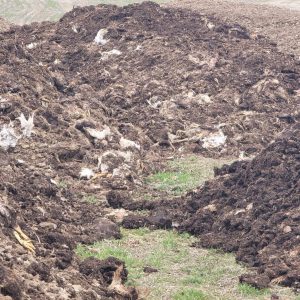
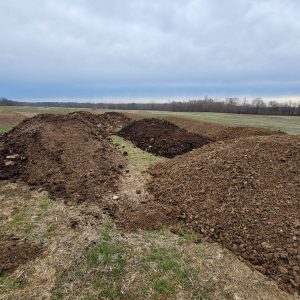
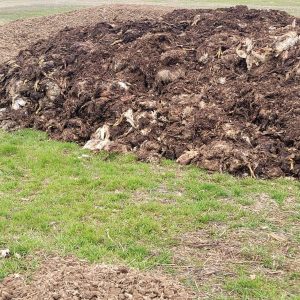
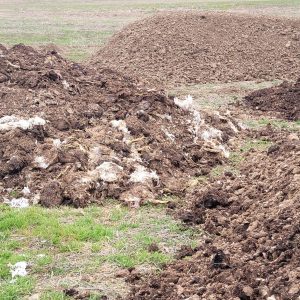
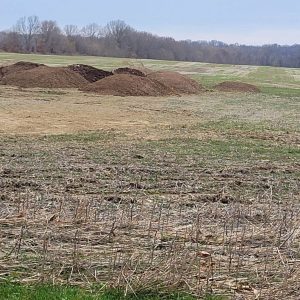
A Greenfield resident contacted the WCP regarding dead chickens being dumped in a field on Shafter Road in Greenfield on Feb. 13.
The caller stated that four poultry trucks had dumped dead chickens in the middle of a field and that he thought “it was criminal” of them to do so. He stated that the smell was unimaginable and that he was concerned that the birds could have Avian Bird Flu and was worried about environmental hazards related to the dumping as well as the legality of the dumping.
After investigation it was found that the birds located at the site were not infected with the Avian bird flu according to a representative from TDA (Tennessee Department of Agriculture).
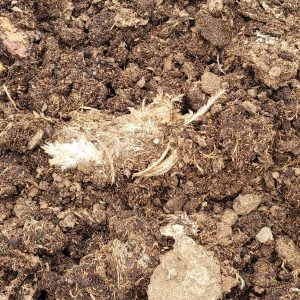
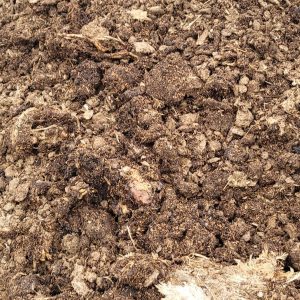
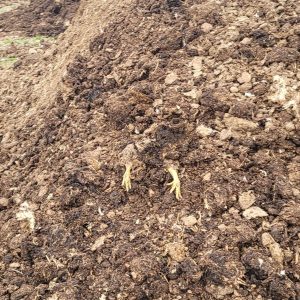
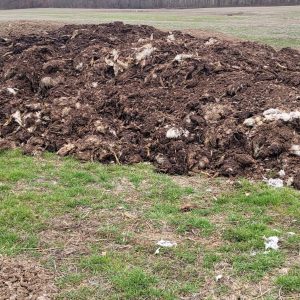
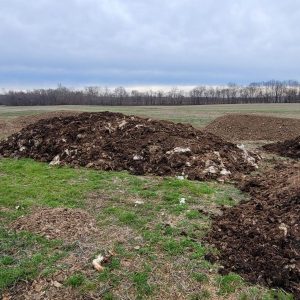
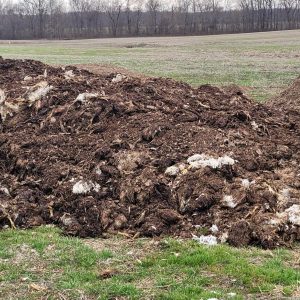
This reporter went to investigate and take photos of the scene and, the caller was correct, the smell was unimaginable. There were loads of what looked to be dead chickens mixed with fertilizer dumped in a large field in several large piles.
The press reached out to Samantha J. Jean, Director of Communications for the Department of Agriculture on if the dumping was legal. Jean stated, “Yes, if it meets the right criteria. I looped in my colleagues at the Tennessee Department of Environment and Conservation, as that regulation runs through their department and not TDA.” This is what they had to share: “There is a permit exemption in our regulations which allows animal production operations to compost materials, including birds, so long as they meet several conditions.”
The exemption language specific to this is that the following facilities or activities are not subject to the requirement to have a permit and those include backyard composting and the resulting compost, animal and crop production operations that compost yard trimmings, agricultural residuals, mortalities, woody materials, and/or food scraps provided that the following conditions are met: that the owner of the composting facility is the same as the owner of the animal or crop production operation where the yard trimmings, agricultural residuals, mortalities, food scraps, and woody materials are generated or the composting facility is located on property owned or leased by the animal or crop production operation or that all compost produced is utilized exclusively at an animal or crop production operation.
“If they do not meet these exemptions but would like to compost, a permit from TDEC’s Division of Solid Waste Management would be required. There is another permit exemption that could be at play here: a permit is not needed for “disposal of farming wastes at facilities which are on the site of generation (where the birds became a waste) and with a fill area of less than once acre in areal extent when completed”.
According to the CDC website, avian bird flu can be transmitted from infected birds to other animals and to humans in two ways: “Directly from infected birds or from avian influenza A virus-contaminated environments and through an intermediate host, such as another animal.”
The CDC also says that “Because human infections with these bird flu viruses are possible, all people with direct or close exposure to infected well-appearing, sick, or dead birds, infected flocks or contaminated surfaces should be monitored for illness for 10 days after their last exposure.”
Jean got back a couple days later with an update stating, “We’ve been informed that the farmer who spread this litter went back out and removed the portions that were not in compliance with TDEC regulations. Also, we heard the complainant was concerned these piles were connected to the Avian Influenza outbreak. They were NOT. All the litter and compost from the infected barns are quarantined on the property still.”
“Local residents may file a complaint with TDEC’s Jackson Environmental Field Office if they wish and our staff can inspect the site to confirm that they are in compliance with any relevant regulations.” That office can be reached at (731) 512-1300.
If anyone has concerns regarding chickens being dumped or other issues involving chickens in the county, you are encouraged to contact TDEC.


